Paul Esteves
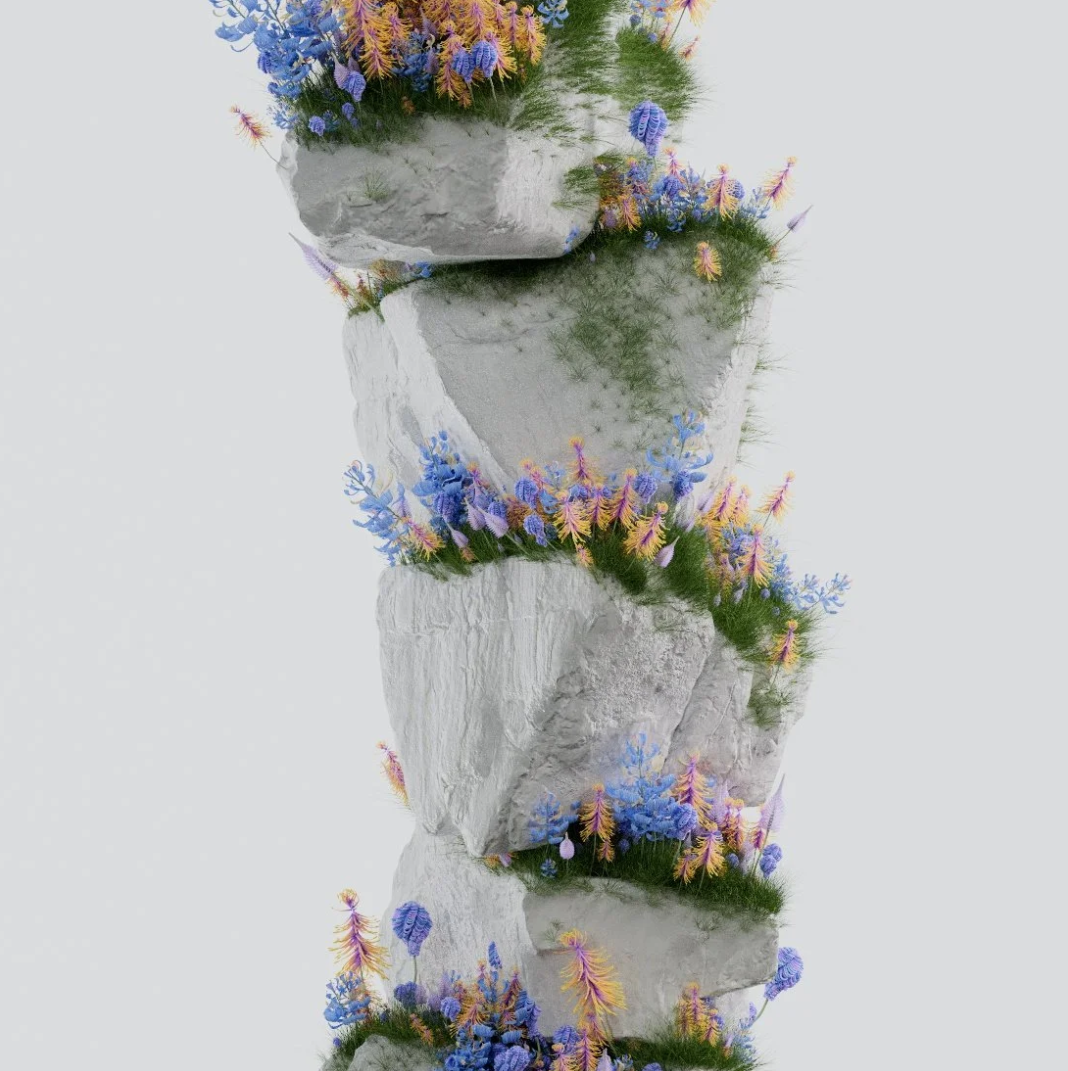
Munich-based 3D artist & educator, Paul Esteves, is a very well known name in the 3D industry. Paul’s tutorials are a staple of the modern 3D designer’s archive, and has taught us so much about the software we use on a day-to-day basis. Through his Patreon, and YouTube, his tutorials are an asset to the 3D community, and it was great to chat about his career to date!
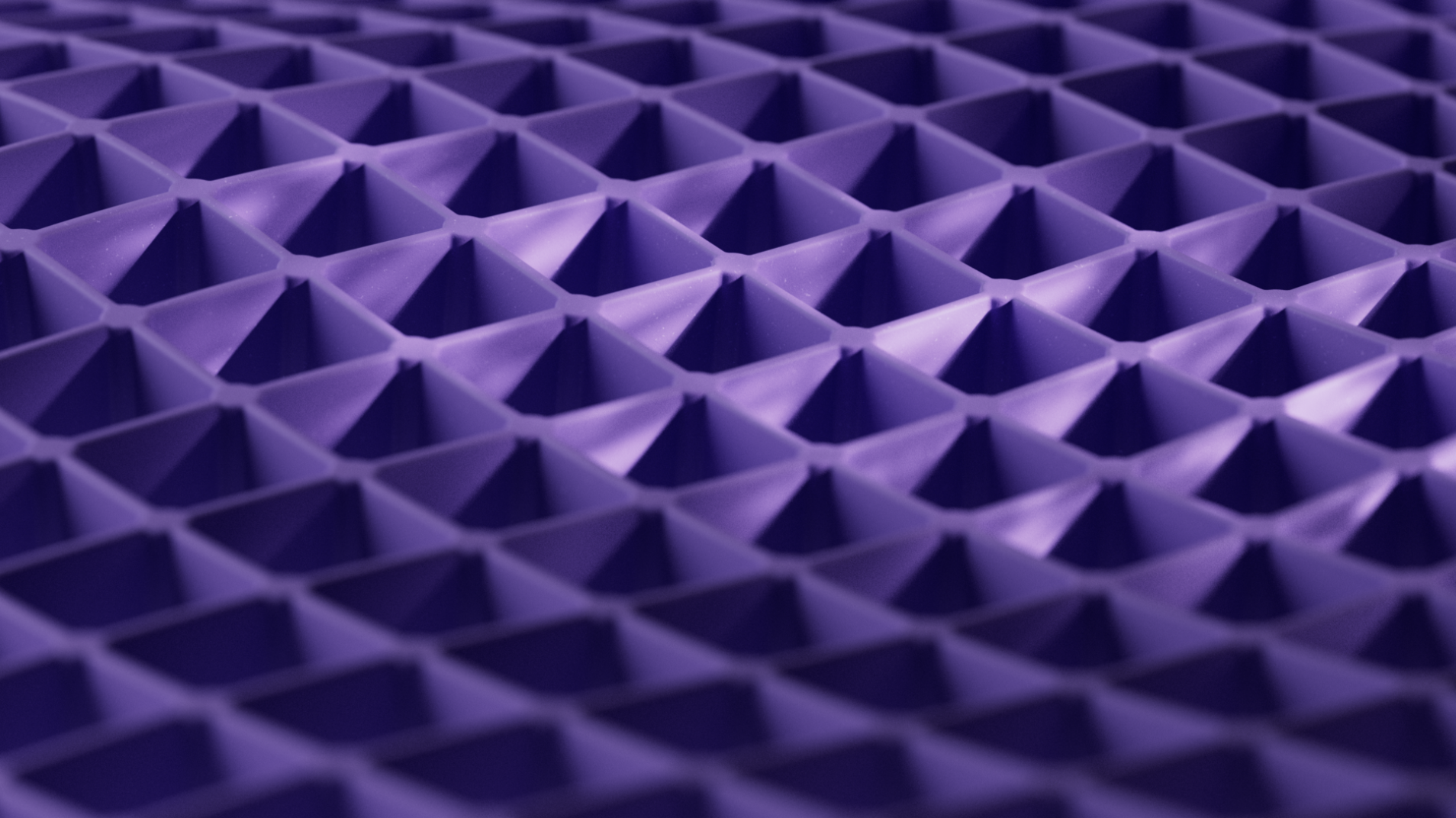
Paul Esteves is a name that comes up time and time again. Whether you’re learning Houdini, further developing your 3D skills, or finding reference for a project. His tutorials are easy to follow, and cover a wide range of content (both on YouTube and Patreon). His website, simple, but full of impressive simulations, lighting & rendering. It’s a lovely portfolio of work, and shows off a real breadth to Paul’s work. I remember seeing his work for Purple mattresses going live a few years back, and I'm still just as impressed seeing it now. Beautiful simulations!
Image - https://www.paulesteves.com/
Why does he inspire me?
Knowing that Paul is a self taught artist, like many of us are, is wonderful to hear. When watching his showreel, you can clearly see the time and effort that goes into his work. It feels very personal, and yet completely polished and professional. It’s certainly become a benchmark for myself on how to do one properly. Utilising R&D and process I think is something that we just don’t see enough 3D community. Paul’s showreel, and website, shows a great selection of final and R&D work which is great for someone like myself who loves a bit of process! That’s what really interests me.
Houdini is something that has always daunted me. It’s a program that can do anything, and has endless ways of doing simple (and complicated) jobs. Breaking Houdini down into digestible pieces is not easy, and Paul’s one of the communities best. When looking for Houdini advice, Paul, Christian Bohm, Mark Francher, Entagma etc.. are names that consistently arise. When you’re a student, junior, or someone with not a lot of spare money, free tutorials are such a massive help — I know I watched hundreds when I was a student. With Paul utilising both Youtube and Patreon, it’s great to see creators get paid for their work, but also know that freely accessible tutorials are fantastic for the community.
I think it’s also really clear that Paul genuinely is having a lot of fun. From his manor in tutorials, to his Instagram page, you can see someone who’s actively engaged in the community and is championing 3D design. This becomes evermore present when looking through his archive of tutorials.
The Interview part
I was lucky enough to be able to ask Paul some questions about himself and his career. I hope that’ll give you a little bit of an insight into his life, personal and commercial as well as his design process. It’s not every day you get to interview an idol!

1. Who are you, and how did
you start your journey into the
world of design?
Hey Charlie! My journey has been a long, but really fun one. It actually goes back to when I was a teenager. I met a guy who made videos at the church I attended, and I was completely fascinated by it. It really got my brain ticking, and I started exploring media back then — not so much design at first. From there, the progression started. From Final Cut to After Effects, and from After Effects to Cinema 4D. This was all “for fun,” mostly exploring what was possible and making small videos for church, myself, and family.
That eventually led to my first motion design job in Munich, Germany.
Up until that point, I had been living in South Africa, so my wife, our six-month-old son, and I packed up everything and moved continents to Germany. There, I worked primarily in Cinema 4D and After Effects for two years, but I was also exposed to Houdini during that time.
When I left to go freelance, I completely fell in love with Houdini and went full throttle into it.
So, over the course of 20 years, I went from a bedroom video editor to a bedroom Houdini artist.
Charlie here: It’s always great to hear more and more designers that have turned their hobby into their career in the 3D motion/animation industry. Turning our weekend experiments in C4D or Houdini, into paid employment certainly is the dream!
Image - https://www.paulesteves.com/work/bollandbranch
2. Could you give some insight into your creative process?
Oooo this is a fun question! This process has changed a lot for me and is still evolving as I grow as an artist and try to improve my creative process.
When I started out, I saw myself as more of a technical person and less creative. As time has progressed, I’ve found myself balancing somewhere in the middle, often forcing myself into uncomfortable creative positions so that I have to learn and improve.
I’ve always enjoyed the discomfort of uncertainty, and I find myself uncertain about creative decisions on a daily basis.
When really thinking about my creative process, I generally tend to approach projects in two ways:
The first is by exploring a technique and seeing where that exploration leads me. Sometimes I’ll drop in some basic shapes and turn them into cloth, balloons, exploded RBDs, particles, etc.. I’ll experiment with different forces, velocity fields, or whatever I’m currently learning about or have saved from previous projects. I mix everything together and see
what emerges. Through this process, I often discover interesting ideas worth exploring further. Sometimes I take them through to completion; other times, I save the exploration for
use in a future project.
The second approach is less experimental and happens when I have a specific task — either because I have a clear “vision” I want to achieve or because I’m working from a client brief that needs to be executed. I tend to dive into Pinterest, Instagram, Eagle (a photo collection app), and start collecting ideas on a Figma board. I gather references that support the task or goal and think about how to merge multiple influences to create something new and unique.
I rarely sketch because I’m honestly quite bad at it. However, I do sometimes “sketch in my mind” by looking through images and imagining what could be.
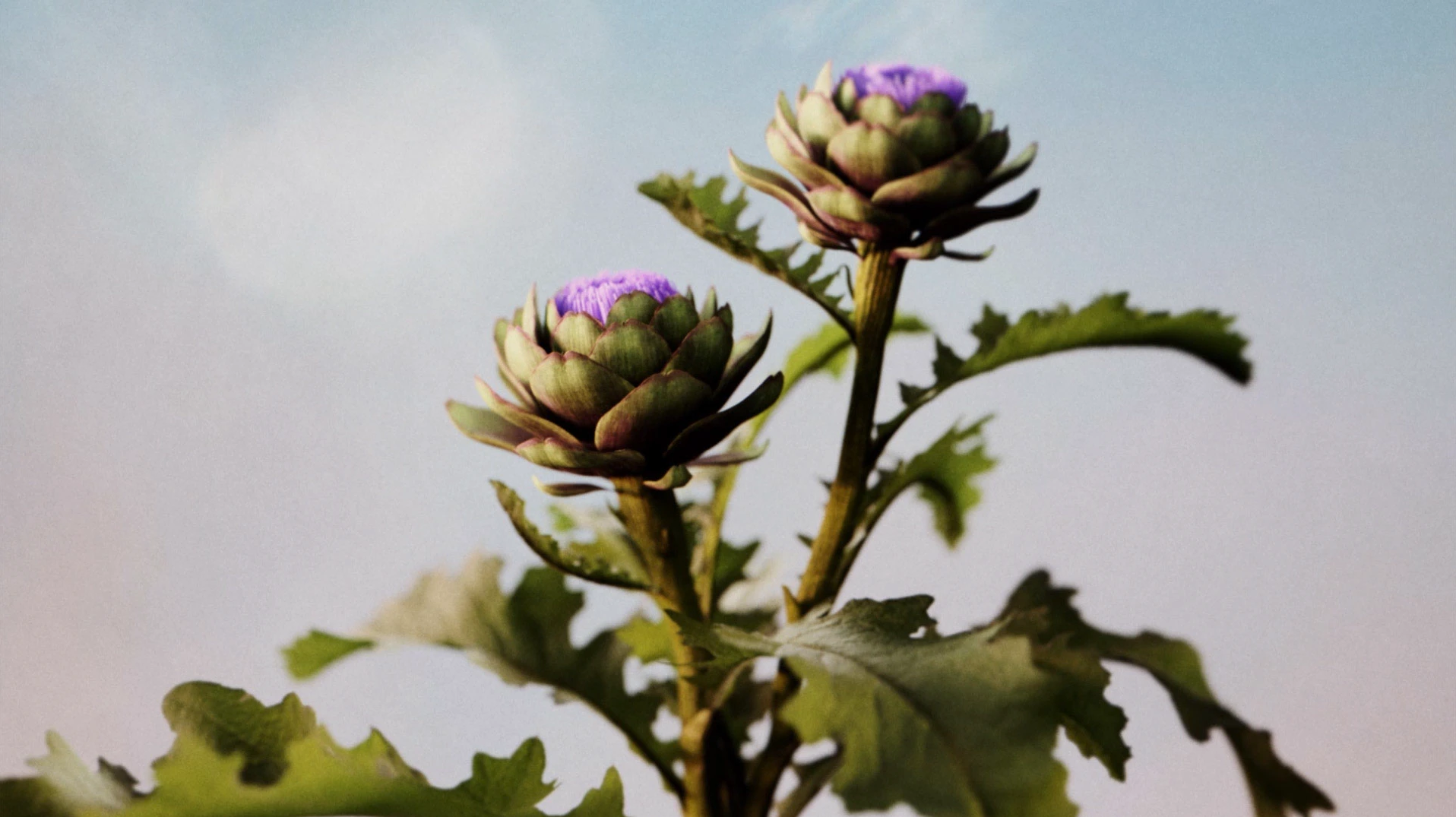
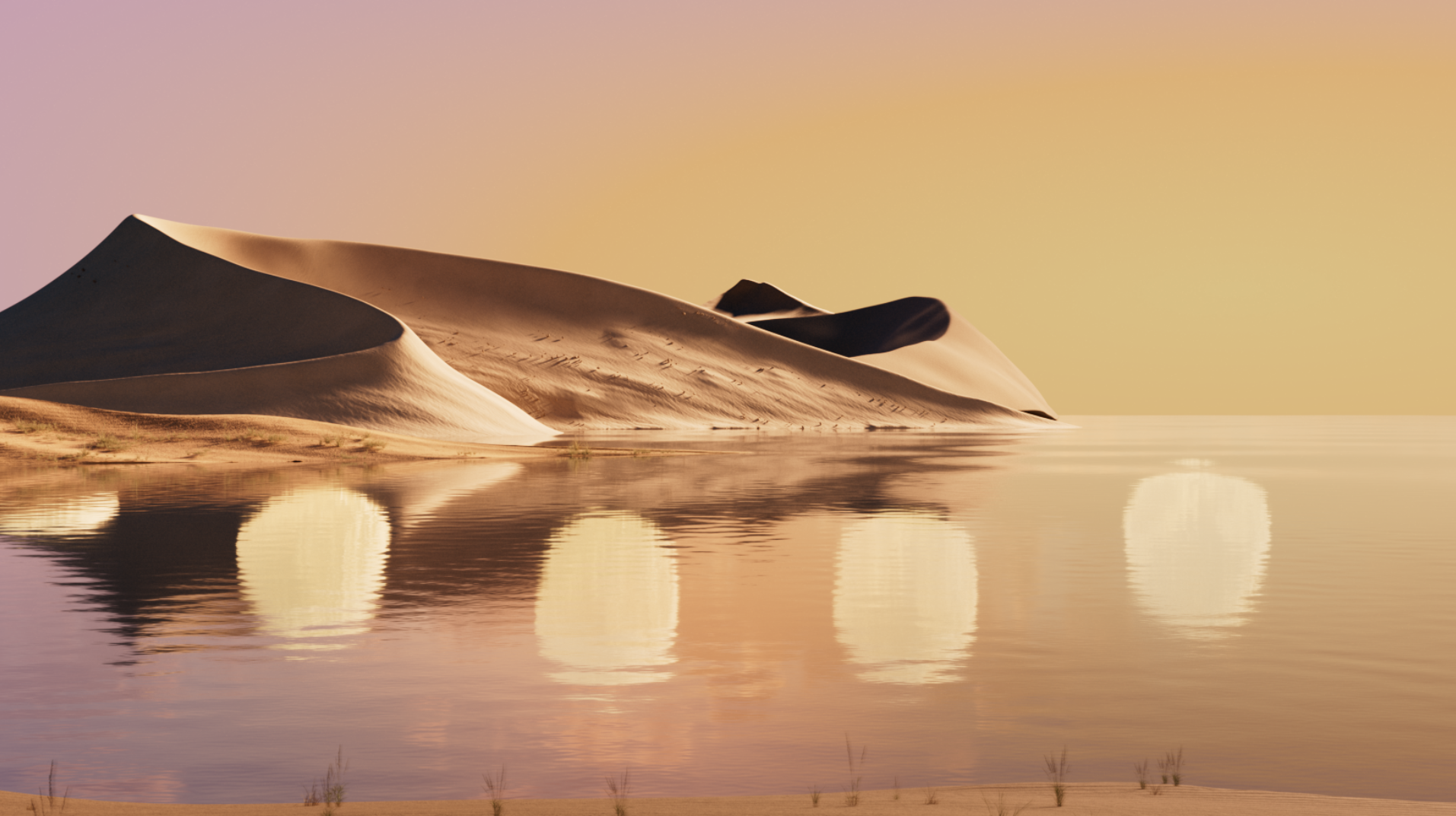
3. I know you’ve worked on some amazing projects! Got any favourites?
This is a tough question to answer. I think back to my earlier projects and some of them are quite bad, but they still somehow bring about a sense a joy reflecting on them because,
of where I was at and what those project signified in my journey as I was learning and trying to get better.
In terms of actual favourites. I loved working with Nelson Noa on “Science.” We explored so many cool systems and setups with Houdini.
I just wrapped up SUCH a fun project with the team at Hello Scholar. The project used a lot of heightfields and buildings. I loved the edit, the explorations, the cinematic nature of it all. It was just such a cool project.
Topstep 'Winter Olympics Campaign' | Scholar
Charlie here: I think we all know what Paul means when he’s not sure if he likes projects from years (heck sometimes days for me!) ago. Time allows us to have this journey of self discovery and improvement, and we should acknowledge over the years just how much our skills have improved.
4. Where do you get your inspiration for projects? Who inspires you!
Ah Charlie this is such a tough one to answer. There are so many to list, it would be a long list as the world is so full of incredibly talented people. I couldn’t pick just a few!
As I mentioned earlier, Pinterest & Instagram are a great place for inspiration and resource, so I’d certainly encourage people to have a good, curated feed that they can get
their inspiration from.
5. What are some of the largest challenges you had to overcome during your artmaking process? How did you come to terms with these difficulties?
I think I’m still overcoming challenges every day. Imposter syndrome, the constant uncertainty of “Is this render good, or can I push it further?” and “How do I make this work?” — these aren’t yearly questions, but daily ones.
I believe progress is slow but steady if you keep working at it. I’ve found that my biggest growth happens when I have people around me who can help. The CGWiki Discord is filled with incredible Houdini artists who have zero ego and zero agenda — we’re simply a community helping one another. I’m also fortunate to have incredibly talented friends I can reach out to daily for help with technical problems, lighting, scene layout, and more.
For me, it’s huge knowing I have people I can rely on for support.
6. Do you have any big designs/projects in the works or anything that excites you about the future of your career?
I do, always! I’m generally a pretty excited person for what’s coming. I have some cool studio bookings coming up and I think those projects sound awesome (they don’t always turn out that way, but I’m hopeful).
Currently, I’m preparing a talk for OFFF2026 in Barcelona. It’s always a challenge to decide what to present on. But I have a cool idea (I think…. Imposter syndrome kicking in) and I’m currently trying to put that together. Finding that ‘cool idea’ is tricky, but I find when I've got one — I do my best to get it to the finish line.
Image - https://www.paulesteves.com/work/purple
7. Do you have any passions beside Animation/CGI work?
Is there a real world version of messing about with FLIP sims?
I am a very passionate woodworker. I have a basement full of tools and I try to get away from the screen as much as possible, when I really don’t need to be at one. I find woodworking a great creative process that doesn’t require staring into a screen, and because it’s physical it’s a proper rest for the eyes! It also lets me go into nature and find branches of fallen trees and carve a spoon or make my kids a random wooden toy. It’s a simple, but ever so enjoyable hobby.
I’m also a musician (fun fact, I was a full time musician before I became a motion designer full time!).
I don’t play guitar as much as I used to, but, I love to pull it out and explore creativity in music.
Charlie here: I know what Paul means about the guitar. It’s something you an lose yourself into for hours of playing, or just a few minutes doing chords.
It’s a great distraction and you’re always learning.
8. What's your overall thoughts on teaching via Youtube/Patreon? I’ve done numerous university talks/sessions talking about my journey into 3D and love doing it. Do you see yourself doing more educational content?
I really enjoy teaching. I love the journey teaching brings. Coming up with a concept which is new, with something technical but also something beautiful, recording it, editing it, posting it.. Only to realize it’s time to do it again because the next month is a week away. It keeps me learning myself, it helps me distil my knowledge into understandable bite size chunks.
This solidifies a lot for me too, so I internalize it and can use it “effortlessly” again.
Not only is this a great asset for people wanting to learn more about 3D, or maybe seniors just wanting to learn a bit further on a specific part of Houdini. But it’s also become a big library of assets for me I can use on future client projects. I am hoping that I can release some full courses this year. I have a few ideas in mind. But, with a family, hobbies, freelancing full time, my time is quite limited.
9. Your YouTube is a true asset to the 3D community!
Are there any other creators whose tutorials/work you think everyone should be watching?
There’s so many great resources online, so I’ll give you some of my favourites. And for any students listening, look at free resources first
when you’re jumping in. There’s so much out there.
Obviously for me, CGWiki is right at the top. Matt’s “blog” style website holds SO MUCH value. He’s just a gem to the community.
Entagma, although quite intense and advanced, they hold a lot of very useful information.
They’ve been doing it for so long too, there’s just such a huge library of information.
Sidefx’s (the creator of Houdini) own website. Kind of goes without saying, but, lately they’ve been so good at releasing files on their content library.
They also release really good masterclasses and courses on sidefx.com and they’re all free.
Charlie here: I would also really recommend the SideFx website for Houdini tutorials. As I've just started my Houdini journey (properly this time) it’s been a great place to find tutorials for basics, intermediate, and more advanced tutorials. It’s a great place to start, and as Paul said — it’s totally free!
10. Any advice for students trying to get into the world of 3D and Digital Design?
Do it! It’s so rewarding. AI may take our jobs, yes, but until it has, I think it’s worth learning. I also think skills are transferable. If you want to learn Houdini specifically, start on sidefx.com, find a beginner series to get comfortable with some basics. Then pick something you want to do and watch some tutorials on it. Or, drop down a sphere and try do something with it. Explode it with an RDB (Rigid Body Dynamics) sim. Inflate it with Vellum. Small wins help keep the motivation going!
In terms of design, find people you admire, try analyse what they do and how they do it. Walk around and look at how light hits objects, how objects take light. Be inspired by things around you. Take a photo on your phone and try recreate the lighting you captured.
And lastly, if you can, find a community. Be that on Instagram, Discord, Twitter/X, wherever. Find people who can help you get better…. And be open to feedback.
11. What’s been your experience at events like OFFF and others?
Imagine you’ve had a great time meeting members of the motion design community!
It’s such a great time to meet people in person! We all spend so much time behind our computers, so, it’s nice to finally put a face to people (Zoom calls just aren’t the same!). Nice to be able to talk about random things and just relax a little. It also reminds us all that we’re all just normal people! Even the great Simon Holmedal is just a normal guy (who happens to be insanely good at Houdini).
12. Thank you for taking part in this for me Paul!
For the people who will read this interview, what are your social media
links for people to follow your future work?
Hey Charie, thanks for having me! I’m honoured!
It’s great to be able to talk about my experiences, and give some advice to future creatives out there.
If people want to follow my work, or take a look at my teaching resources, my links are below!
